

The Ultimate Vaishno Devi Yatra Guide: RFID Registration, Helicopter Tips & 2-Day Itinerary
A practical, step-by-step Vaishno Devi yatra plan — register and collect your RFID Yatra Access Card first, pick the right season, choose between trek, helicopter, battery car or ropeway, then follow a simple 2-day itinerary.
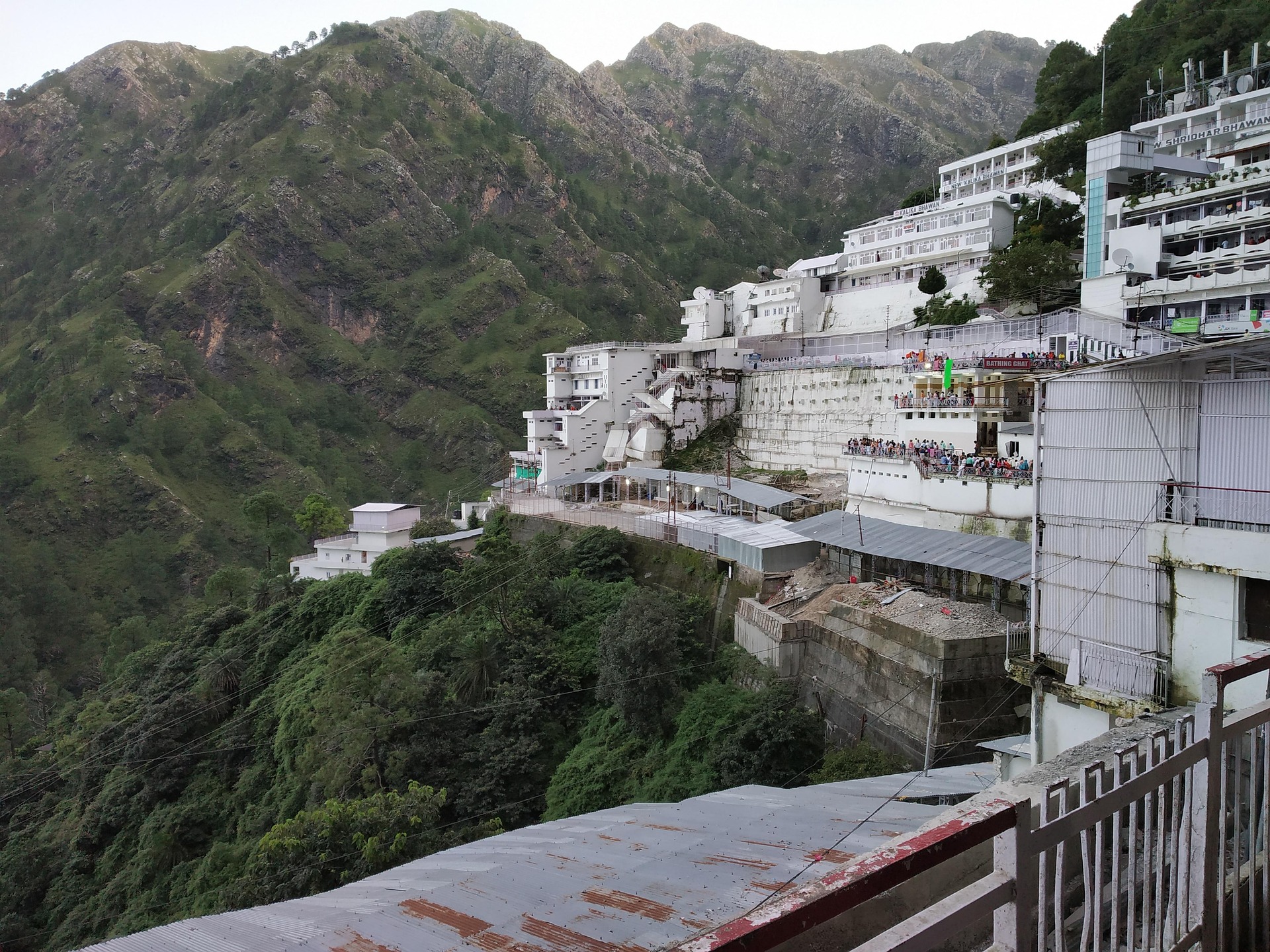
Planning a pilgrimage to Mata Vaishno Devi is exciting — but the first time, the logistics can feel confusing. The good news: the whole trip becomes simple once you follow the right order. Register first, pick the right season, decide how you will travel up to the Bhawan, then book your stay and transport. Get that sequence right and everything else falls into place.
This guide focuses on the practical decisions first-time and family pilgrims ask about most — RFID registration, helicopter and battery-car options, and a relaxed two-day plan. If you want the longer background read instead, see our complete Vaishno Devi Yatra guide. Ready to skip the planning? Browse our Vaishno Devi tour packages and we will handle the details for you.
1. Start with yatra registration and your RFID card
Your very first step should be yatra registration — not hotel booking. The Shri Mata Vaishno Devi Shrine Board requires every pilgrim to register and collect an RFID-based Yatra Access Card before starting the climb. You cannot begin the trek without it.
You can register online in advance, or in person at the Yatri Registration Counter near the Bus Stand in Katra. Doing it online before you arrive saves you a queue on day one — especially during busy periods.
- What you need: a valid photo ID and the names of everyone in your group.
- Where: online via the Shrine Board's official portal, or the counter near Katra Bus Stand.
- Keep the RFID card safe — it is scanned at checkpoints along the route.
2. Choose the best time to visit
The yatra runs all year, but crowds vary hugely by season. The Shrine Board notes that May, June and July, the two Navratri periods, and the New Year holidays bring the heaviest rush — and during peak days, waiting times can be very long.
For a calmer darshan, the monsoon (late July–September) and winter (November–February) months are usually far more peaceful. Winter is cold and the upper stretch can see snow, so pack accordingly — but the shorter queues are worth it for many families. For a month-by-month view of weather and crowds across the region, our travel calendar is a handy companion.
3. Decide how you will travel: trek, helicopter, battery car or ropeway
From Katra to the Bhawan is about a 12 km climb. The Shrine Board lets you cover it on foot, by helicopter, or by battery car, and the Bhawan–Bhairon ropeway is operational too (typically 9 am to 5 pm).
- On foot: the classic experience along a well-paved, lit and covered track. Ponies and palki (palanquin) are available for those who need help.
- Helicopter: the fastest and most comfortable option — ideal for senior citizens, families with young children, or short trips. The Katra–Sanjichhat sector cuts hours of climbing to minutes.
- Battery car: covers specific stretches of the upper route for those who want to walk less without flying.
- Ropeway: connects the Bhawan to the Bhairon temple, so you can complete the traditional Bhairavnath darshan without the extra climb.
If comfort is a priority, a helicopter trip is usually the easiest choice. Official helicopter tickets are booked in advance through the Shrine Board's own system — but the timing and quotas fill quickly. We bundle the whole thing for you in our Vaishno Devi helicopter packages, so you are not refreshing a booking page at midnight.
4. Follow a simple 2-day itinerary
A Vaishno Devi trip does not need to be rushed. Two days is comfortable for arrival, registration, darshan and return.
Day 1 — Arrive & settle in: reach Katra, check in to your hotel, complete (or confirm) your registration and collect the RFID card, then rest and eat well. An early night sets you up for the climb.
Day 2 — Darshan & return: start early to beat the heat and the crowds. Use the route or service you planned — trek, helicopter or battery car — complete your darshan at the Bhawan, add Bhairon temple via the ropeway if you wish, and head back to Katra.
Travelling from out of state? Pair this with our Katra cabs and transport for airport and railway transfers, so your arrival and departure are sorted end to end.
5. The booking order that actually works
To avoid last-minute stress, book in this sequence:
- Yatra registration (and RFID card)
- Stay — the Shrine Board offers accommodation at Jammu, Katra, Bhawan, Adhkuwari and Sanjichhat, and Katra has plenty of private hotels too
- Transport to and around Katra
- Helicopter or other movement options for the climb
That order turns a confusing trip into a smooth one — and it is exactly how we structure every pilgrimage tour package we plan.
Let NorthYatra plan it for you
We are a J&K-registered, IATA-accredited tour operator based in Katra — Vaishno Devi is our home ground. From RFID registration help to helicopter tickets, hotels and transfers, we put the whole yatra together so you only have to show up and pray.
Explore Vaishno Devi tour packages, compare options across all our tour packages, or estimate costs with our trip budget calculator. Prefer to talk it through? Contact our travel experts and we will craft your itinerary within hours.
Frequently asked questions
Is registration required for Vaishno Devi?
Yes. The Shrine Board requires every pilgrim to register and collect an RFID-based Yatra Access Card before starting the yatra. You can register online in advance or at the counter near Katra Bus Stand.
Can I book helicopter tickets officially?
Yes. Official helicopter tickets are booked through the Shrine Board's own booking system, which opens for advance reservations (commonly around 60 days ahead), with closing times depending on the sector. Because slots fill fast, many travellers book a packaged helicopter yatra instead.
What is the best time to visit Vaishno Devi?
The yatra is open year-round. Peak rush usually falls in the summer months, the Navratri periods and around New Year, while the monsoon and winter months are generally calmer and better for a relaxed darshan.
Is the Bhairon ropeway available?
Yes. The Bhawan–Bhairon ropeway is operational and typically runs from 9 am to 5 pm, letting you complete the Bhairavnath darshan without the additional climb.